Soweto's Theatre of Resistance by Andile Xaba
Soweto's Theatre of Resistance by Andile Xaba
Couldn't load pickup availability
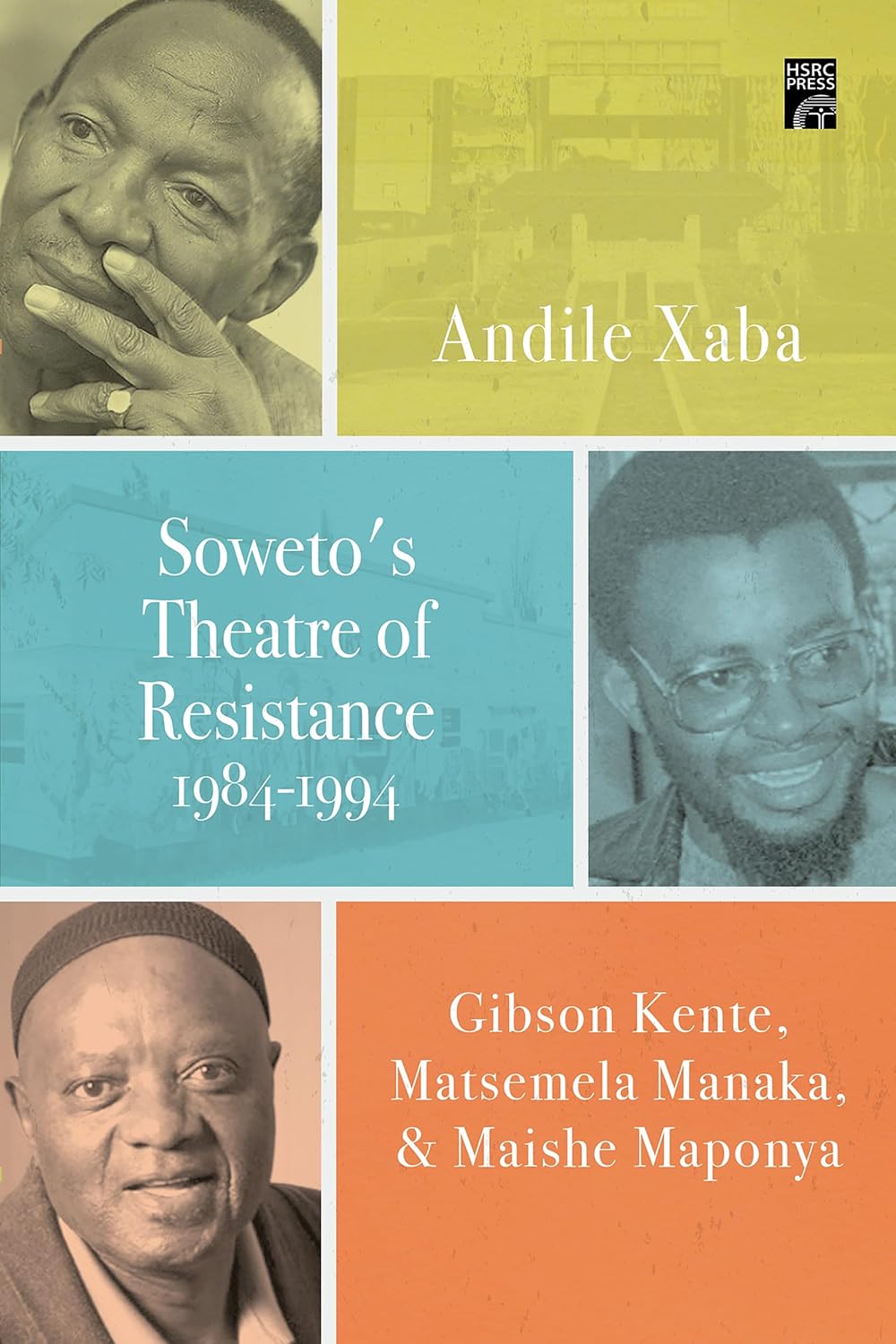
During the period 1984–1994, there was a flowering of the arts in Soweto. Soweto’s Theatre of Resistance, 1984–1994, focuses on writing the history of community theatre, which was a popular avenue for artistic expression for township playwrights. Numerous popular community plays were staged, but this has not been documented due to a lack of record-keeping by the playwrights and the absence of formal theatre structures for township-based playwrights.In contemporary writing, theatre received attention from particularly, the Sowetan newspaper, with Gibson Kente, Matsemela Manaka and Maishe Maponya being the most prominent playwrights. The three are the main subjects of this book as they helped to weave a narrative about the development of theatre from the 1950s to the early 2020s. The memories of their actors and colleagues inform the construction of this narrative. Kente was the first playwright to develop what has become known as the “township theatre style” which is described in the book, along with some of his prominent actors who became audience darlings in the township.
The book also discusses Manaka and Maponya’ s theatre approaches to show the variety of cultural expression in the township. The book also briefly discusses other prominent names in Soweto theatre circles who were among the approximately, fifty theatre groups operating in the township’s community halls. There were no theatre buildings in Soweto, and the book touches on some of the venues adapted for theatre, which were in various parts: Eyethu Cinema, the Donaldson Orlando Community Hall, Diepkloof Hall and the Funda Centre, where Black Consciousness Movement Theatre was nurtured. Kente, Manaka and Maponya were popular in South Africa and achieved esteem with international audiences (especially the latter two). All three influenced other township playwrights. Lastly, the book discusses the socio-political context in Soweto which both hindered and helped the development of theatre.
Share